
Beyond Reopening: The Long Economic Shadow of the Hormuz Crisis



OWL brings deep expertise in financial and tax due diligence, with a strong track record advising investors,
Read now
Ensuring success in international mergers and acquisitions requires a deep understanding of the differences
Read now


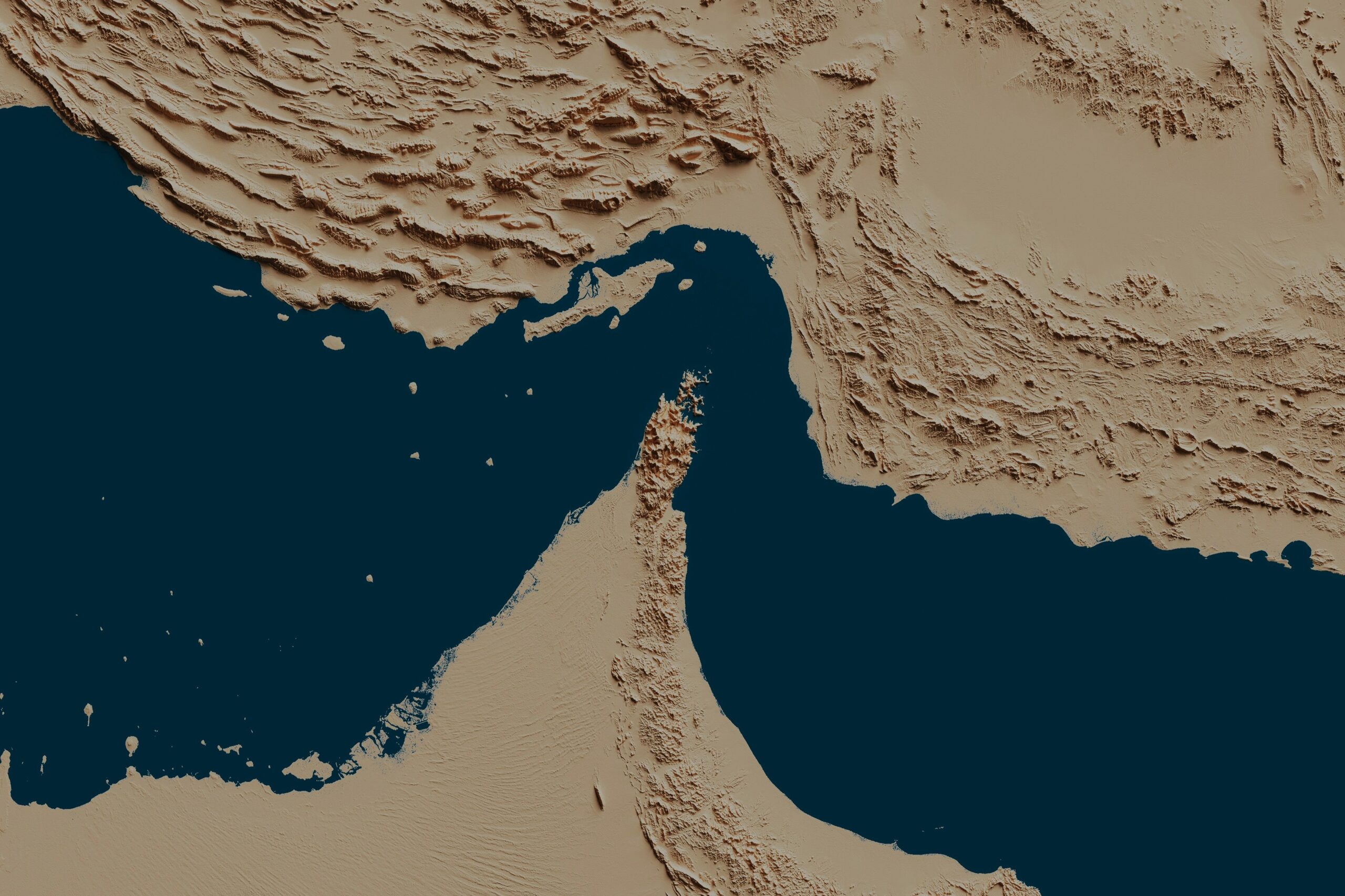
The reopening of the Strait of Hormuz has eased immediate concerns over global energy supplies, and financial markets are increasingly pricing in a more stable geopolitical environment. However, reopening a critical trade route does not instantly restore normal market conditions. The disruption has already reshaped supply chains, increased operating costs and exposed structural vulnerabilities that many businesses will continue to face long after energy flows return to normal.
The global energy system proved remarkably resilient during the crisis. Governments, producers and traders relied on a combination of strategic petroleum reserves, inventory drawdowns and alternative export routes to compensate for the sudden loss of Gulf production. Infrastructure bypassing the Strait also helped maintain part of the region’s exports, limiting the immediate economic fallout.
These interventions prevented a more severe supply shock, but they were designed as temporary safeguards rather than long-term solutions. Strategic reserves must eventually be replenished, inventories rebuilt and emergency logistics unwound. As these temporary cushions disappear, companies may begin to experience the delayed financial effects of the disruption.
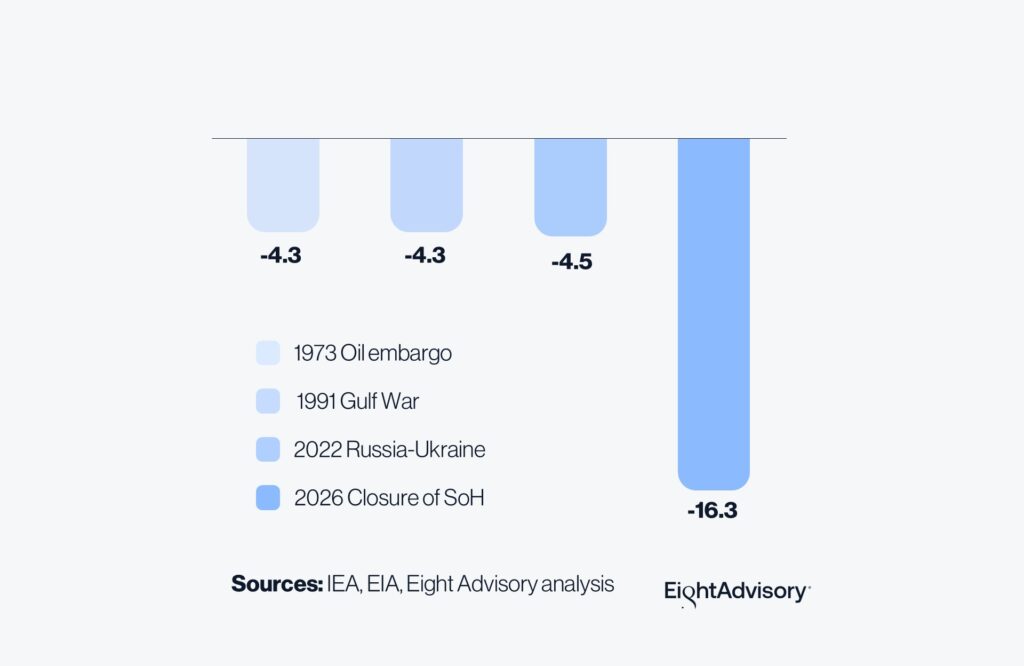
For many European businesses, the most significant consequences are no longer linked to physical shortages of crude oil. Instead, pressure is emerging through higher LNG prices, more expensive transport, elevated insurance costs and increasing prices for energy-intensive inputs.
At the same time, reduced Qatari LNG processing capacity is expected to constrain global gas markets for several years, prolonging competition for available supply. As a result, procurement costs may remain volatile even if geopolitical tensions continue to ease.
These factors affect much more than purchasing budgets. They influence operating margins, working-capital requirements, liquidity planning and ultimately enterprise value. Understanding how these indirect effects cascade through the business has become a strategic priority for management teams.
While current expectations point towards a gradual normalisation of energy markets over the coming years, uncertainty remains an important feature of the outlook. Investors, lenders and shareholders increasingly expect businesses to demonstrate not only that they understand their exposure, but also that they have credible mitigation strategies in place.
This requires organisations to assess how different market scenarios could affect profitability, cash generation, financing needs and long-term value. Evaluating supplier exposure, logistics costs, insurance, energy procurement and working capital through scenario analysis allows companies to make better-informed strategic decisions before market conditions fully stabilise.
Periods of geopolitical disruption require financial insight as much as operational resilience. Eight Advisory helps companies and investors evaluate the financial implications of changing market conditions through scenario modelling, business plan assessment, valuation analysis, transaction support and cash-flow forecasting. By quantifying risks and identifying opportunities, we enable organisations to make confident decisions in an increasingly uncertain environment.
Download the full report to see how we can help you protect your finance.


Please let us know if you have a question, want to leave a
comment, or need further information on Eight International