
Benelux horticulture: assessing growth, transition and investment potential



OWL brings deep expertise in financial and tax due diligence, with a strong track record advising investors,
Read now
Ensuring success in international mergers and acquisitions requires a deep understanding of the differences
Read now

The Benelux horticulture and floriculture sector combines an established export ecosystem with energy, labour, investment and succession pressures. Investment prospects vary across the value chain and depend on target-level economics, adaptability and potential for value creation.
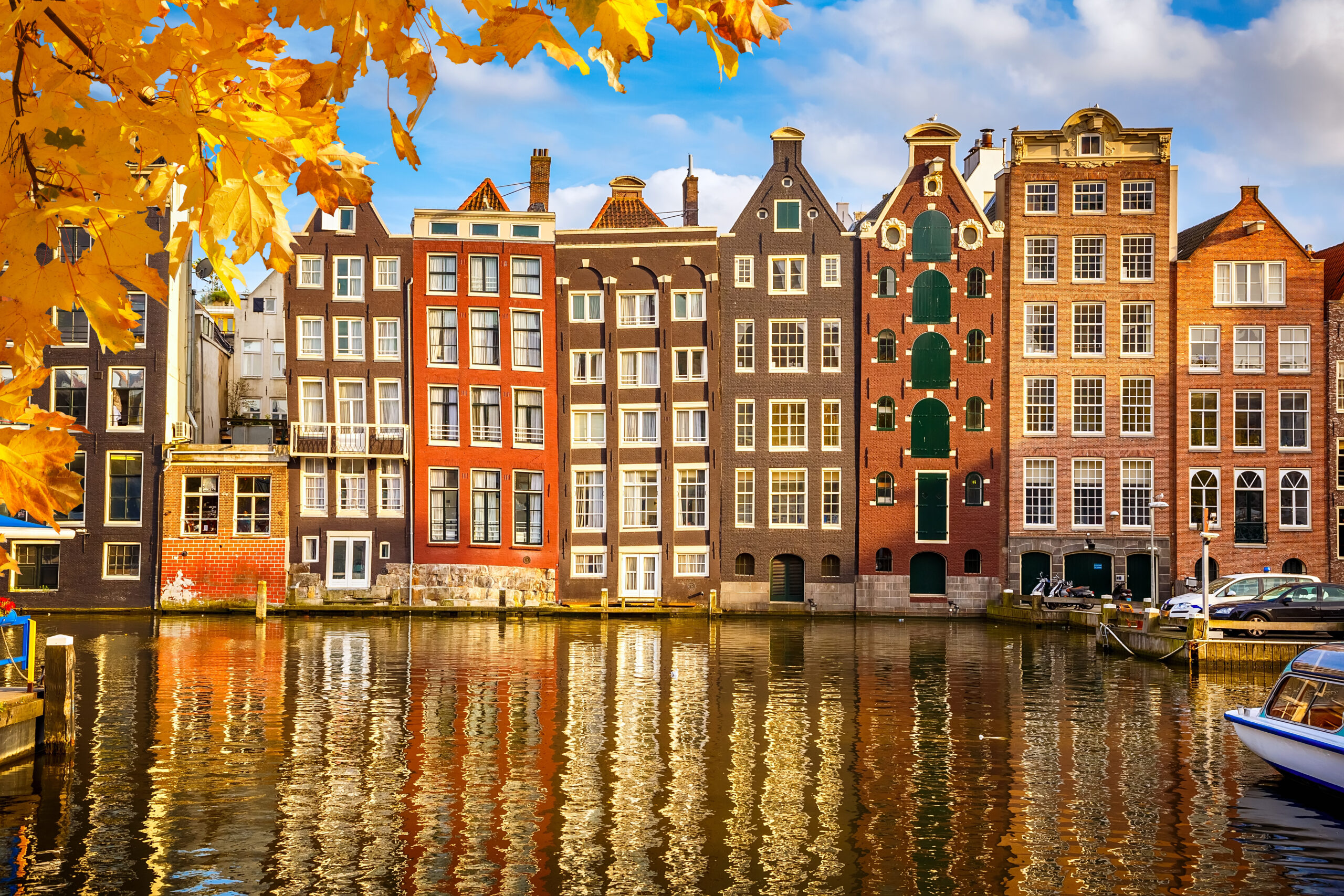
The combined Benelux horticulture and floriculture market generated around €10bn in revenue in 2025. Advanced greenhouse capabilities, specialist suppliers and established export networks provide a strong base. Yet rising energy costs, labour constraints, investment requirements and succession pressures are reshaping how businesses operate and who owns them. The investment question is not simply whether the market is large or growing, but which companies can adapt, where value can be created and how competitive advantages can endure.
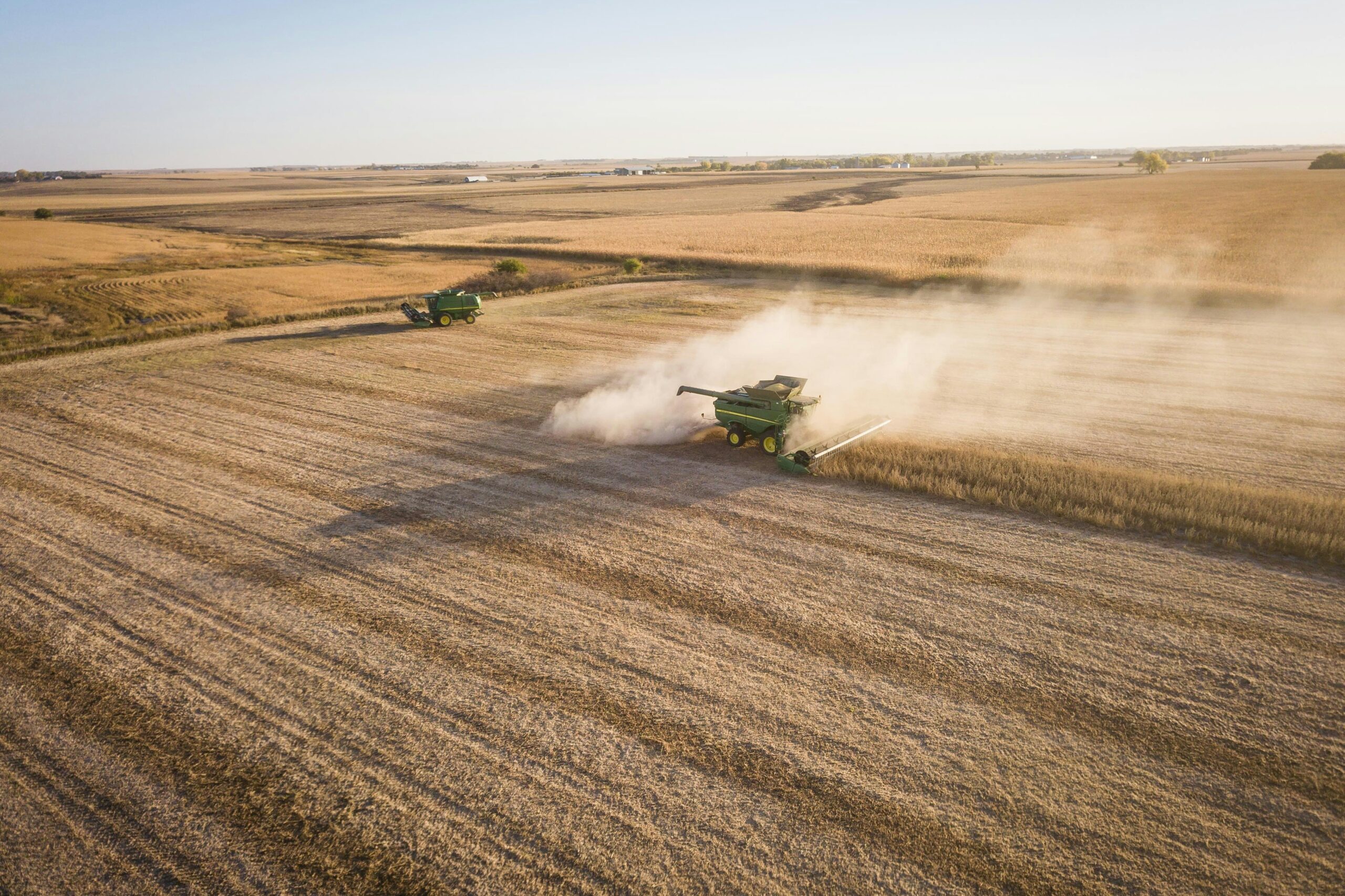
Benelux is the world’s second-largest exporter of agricultural products, with horticulture among its flagship sectors. The ecosystem extends beyond growers: greenhouse builders, specialist technology providers and logistics companies support the industry’s international reach. As operating models change, a company’s position in the value chain may matter as much as its direct exposure to horticulture. Market scale is only a starting point; investors need to identify where growth can be captured and which businesses are best placed to adapt.
Succession, rising operational demands and the need for scale are reshaping ownership across the sector. Consolidation can help businesses professionalise, fund investment and build broader platforms. But acquisition activity alone does not create value. With consolidation expected to continue in the coming years, investors need to identify businesses with the foundations to grow and understand how each could contribute to a stronger platform.
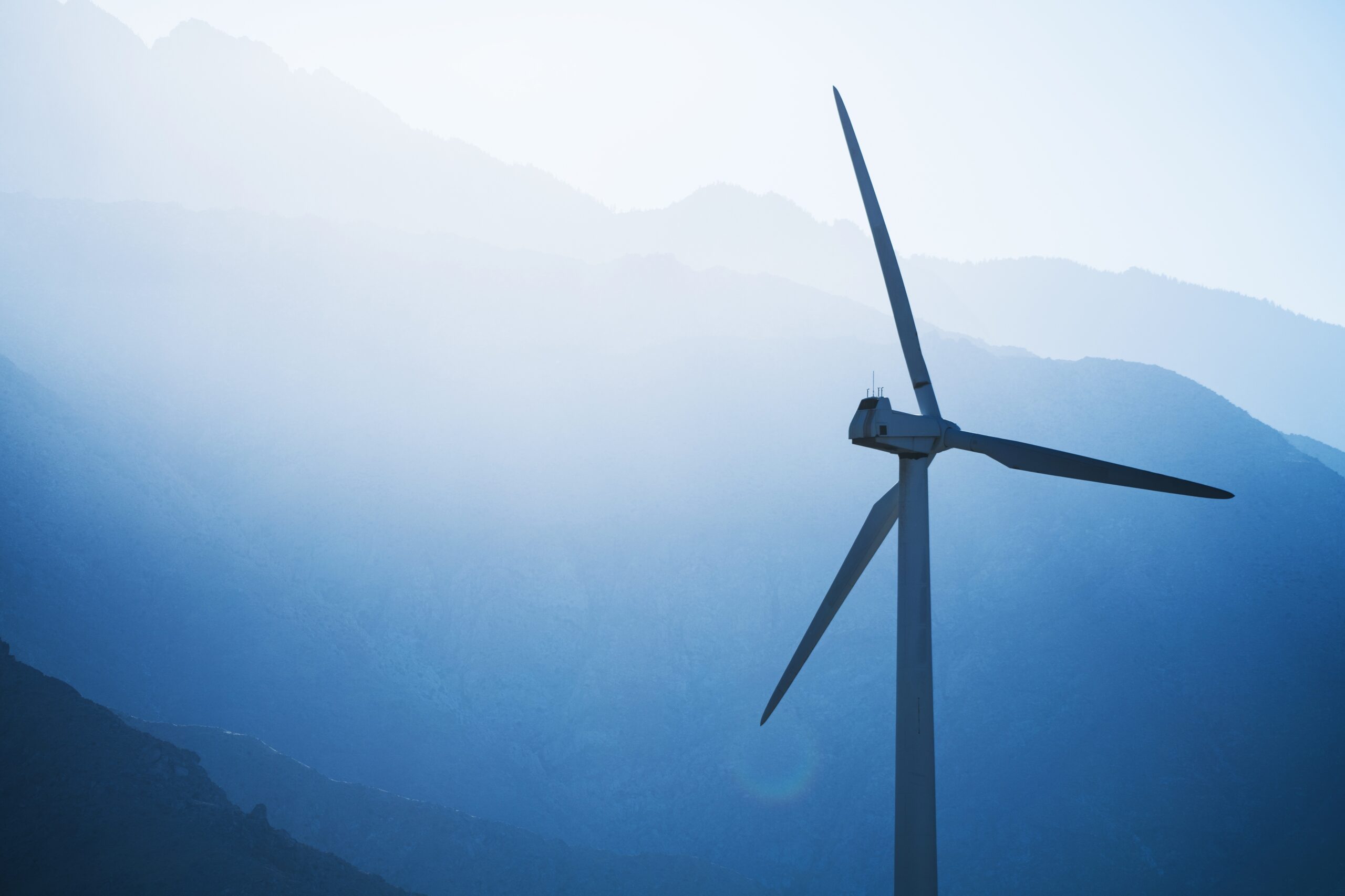
Upgrading greenhouse assets and shifting to lower-carbon energy require capital and careful execution. The sector is estimated to need more than €2bn in energy-transition capital expenditure over the next decade. This spending can weigh on near-term cash flow, while also creating the potential for greater cost competitiveness. Opportunities include geothermal energy, heat networks and energy-management technology. Automation, AI and precision agriculture are adding another dimension to productivity. Investors should consider which investments operators should fund and where specialist capital or services could play a role.
Horticulture is not a single investment category. Vegetable growers face significant energy exposure and seasonal working-capital needs, while floriculture businesses may be more exposed to price volatility. Equipment and services providers may offer stronger revenue visibility through project backlogs; breeding and propagation businesses can benefit from IP-linked revenue. Technology adoption and international expansion create further growth opportunities, while sustainability is becoming more relevant to access to institutional capital. Before backing a platform or buy-and-build strategy, investors need to test each target’s unit economics, investment requirements, cash conversion and commercial position.
We support investors through financial and commercial due diligence, strategy and operational assessment, financial modelling and valuation, and transaction support. In horticulture, this includes testing a target’s financial, commercial and operational case, assessing investment needs and supporting deal execution through the first 100 days of ownership.
Download the full report for the analysis and recommendations.


Please let us know if you have a question, want to leave a
comment, or need further information on Eight International